
Why Do Bolts Loosen? Causes, Risks, and How to Prevent It in Industrial Applications
Bolted joints are used everywhere in industrial systems—from heavy machinery and construction equipment to railways, energy infrastructure, and manufacturing lines.
Despite their simplicity, one of the most persistent engineering problems is bolt loosening over time.
When a bolt loosens, it reduces clamping force, which can lead to vibration failure, structural instability, machine breakdown, and in some cases, serious safety risks.
This article explains:
- Why bolts loosen
- What causes it in real industrial environments
- The risks involved
- And how to prevent it effectively
What Does “Bolt Loosening” Actually Mean?
A bolted joint works by creating clamping force (preload) between two or more components.
Bolt loosening happens when this clamping force decreases over time due to external or internal influences.
There are two main types:
- Self-Loosening
Rotation of the nut or bolt due to vibration or movement. - Preload Loss
Reduction of clamping force without visible rotation (more dangerous because it’s harder to detect).
Both types can eventually lead to joint failure.
Main Causes of Bolt Loosening in Industrial Applications
Bolt loosening is rarely caused by a single factor. It is usually a combination of mechanical stress, vibration, and environmental conditions.
1. Vibration (Primary Cause in Industry)
Vibration is the most common and destructive cause of bolt loosening.
It occurs in:
- Engines and motors
- Rail systems
- Pumps and compressors
- Construction machinery
- Wind turbines
Even small repeated vibrations can cause microscopic sliding between threads, gradually reducing preload.
2. Transverse Movement Between Surfaces
When two joined surfaces move slightly sideways (not in the direction of the bolt), it creates:
- friction loss
- micro-slippage
- rotation of fasteners
This is often seen in dynamic machinery and transport systems.
3. Shock Loads and Impact Forces
Sudden forces (impact or shock) can instantly reduce clamping force.
Examples:
- Heavy equipment hitting resistance
- Machinery start-stop cycles
- Structural impacts in construction environments
These forces can “reset” bolt tension unexpectedly.
4. Thermal Expansion and Contraction
Temperature changes cause materials to expand and shrink at different rates.
Over time this leads to:
- loss of preload
- uneven stress distribution
- loosening of threaded connections
Common in:
- engines
- outdoor structures
- energy systems
5. Improper Torque Application
Incorrect installation is a major hidden cause.
Problems include:
- Under-tightening → insufficient clamping force
- Over-tightening → thread damage or yielding
- Uneven tightening → load imbalance
Even a small deviation from torque specifications can reduce long-term reliability.
6. Material Relaxation and Settling
Over time, microscopic surface roughness flattens under pressure.
This causes:
- preload reduction
- loss of tension
- gradual loosening without visible movement
This is especially important in new installations.
©Hardlock Industry Japan
Risks of Loose Bolts in Industrial Systems
Bolt loosening is not just a maintenance issue—it can become a system failure risk.
1. Equipment Breakdown
Loose fasteners can cause:
- misalignment
- excessive wear
- mechanical failure
2. Safety Hazards
In critical infrastructure, bolt failure can lead to:
- structural collapse risks
- machinery accidents
- operational hazards for workers
3. Production Downtime
Unexpected failure leads to:
- halted production
- emergency repairs
- delayed delivery schedules
- financial losses
4. Increased Maintenance Costs
Repeated tightening, inspections, and replacements increase long-term operating costs significantly.
5. Progressive Failure Chain
One loose bolt can trigger:
- vibration increase
- adjacent bolt loosening
- accelerated system failure
This is why early prevention is critical.
Common Methods Used to Prevent Bolt Loosening
Industries typically rely on mechanical or chemical locking methods.
1. Lock Nuts
Designed to increase friction or deformation resistance between threads.
2. Threadlockers (Adhesives)
Chemical compounds applied to threads to prevent rotation.
Common in medium-duty applications.
3. Washers (Spring / Lock Washers)
Provide additional tension or friction resistance.
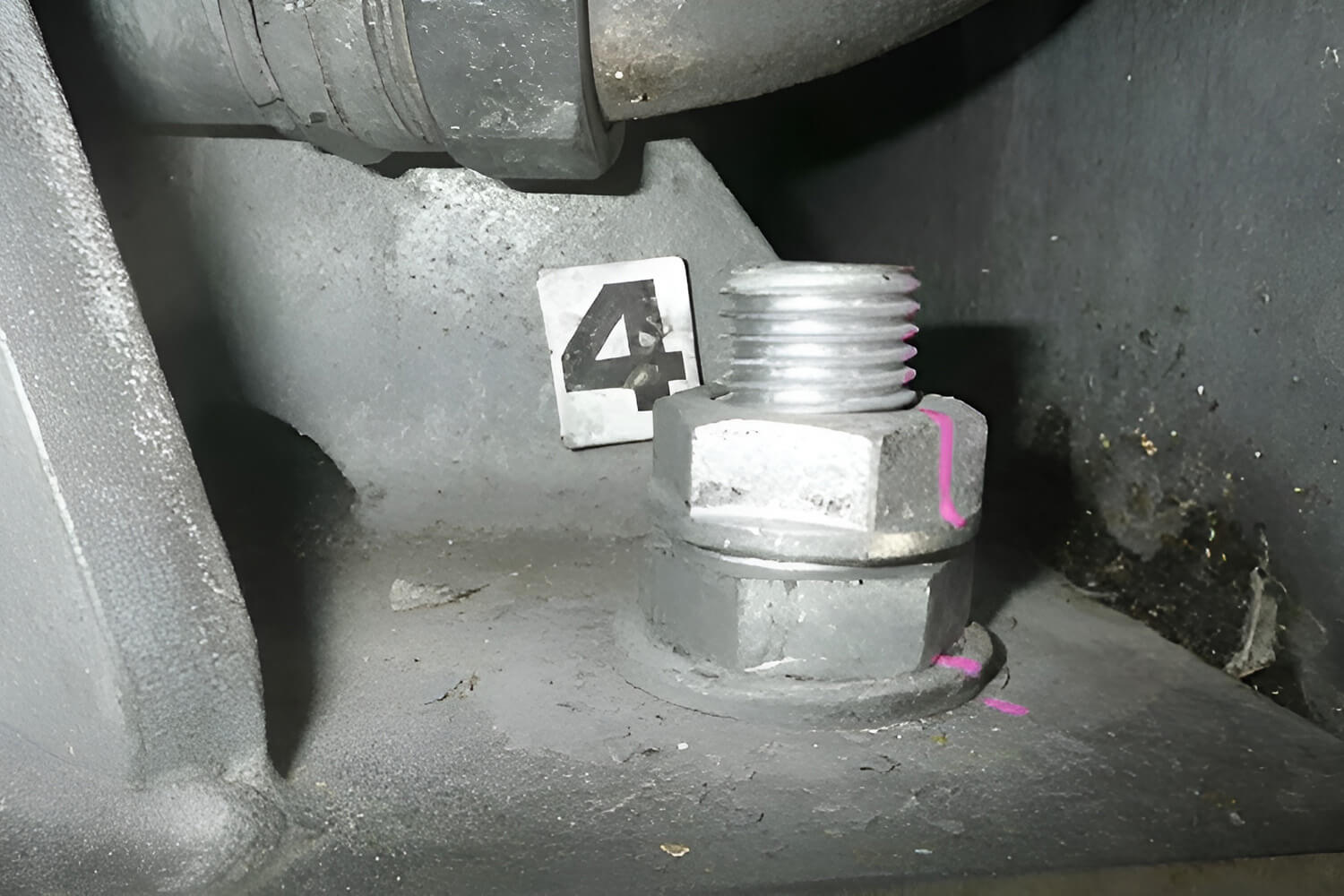
4. Double Nut Method
Two nuts tightened against each other to create resistance.
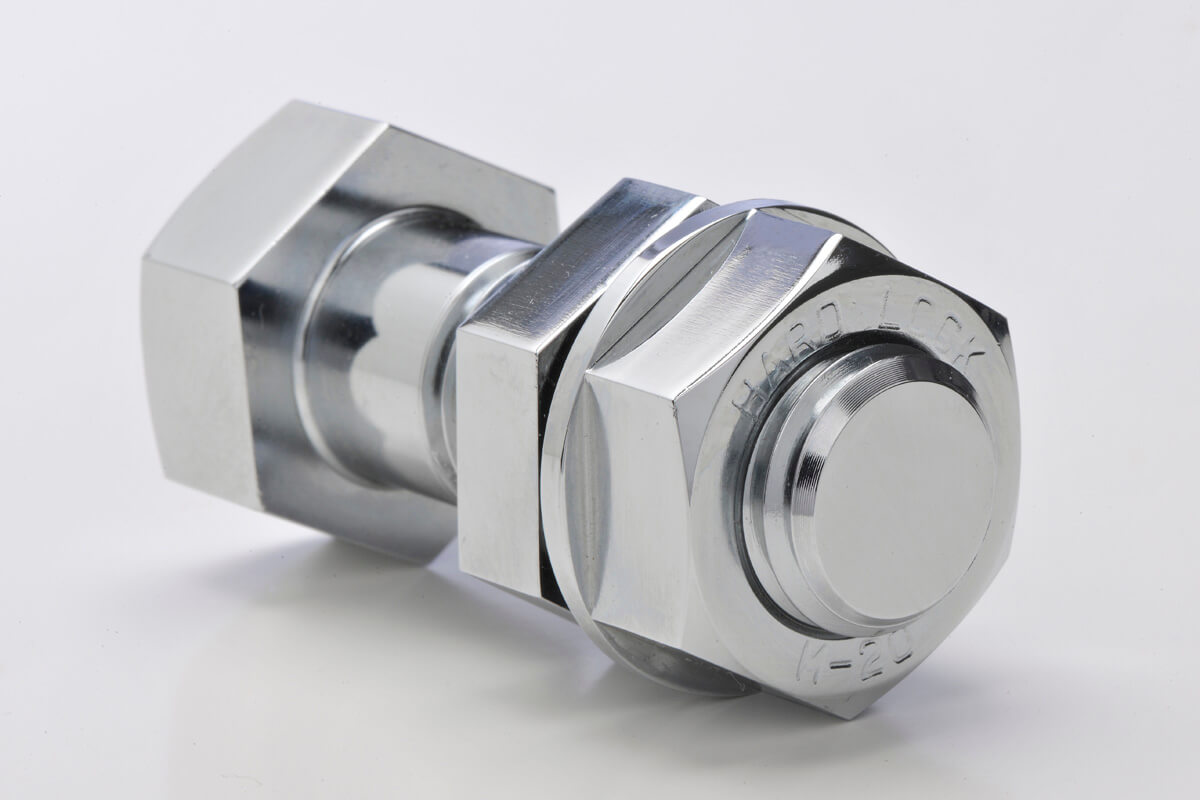
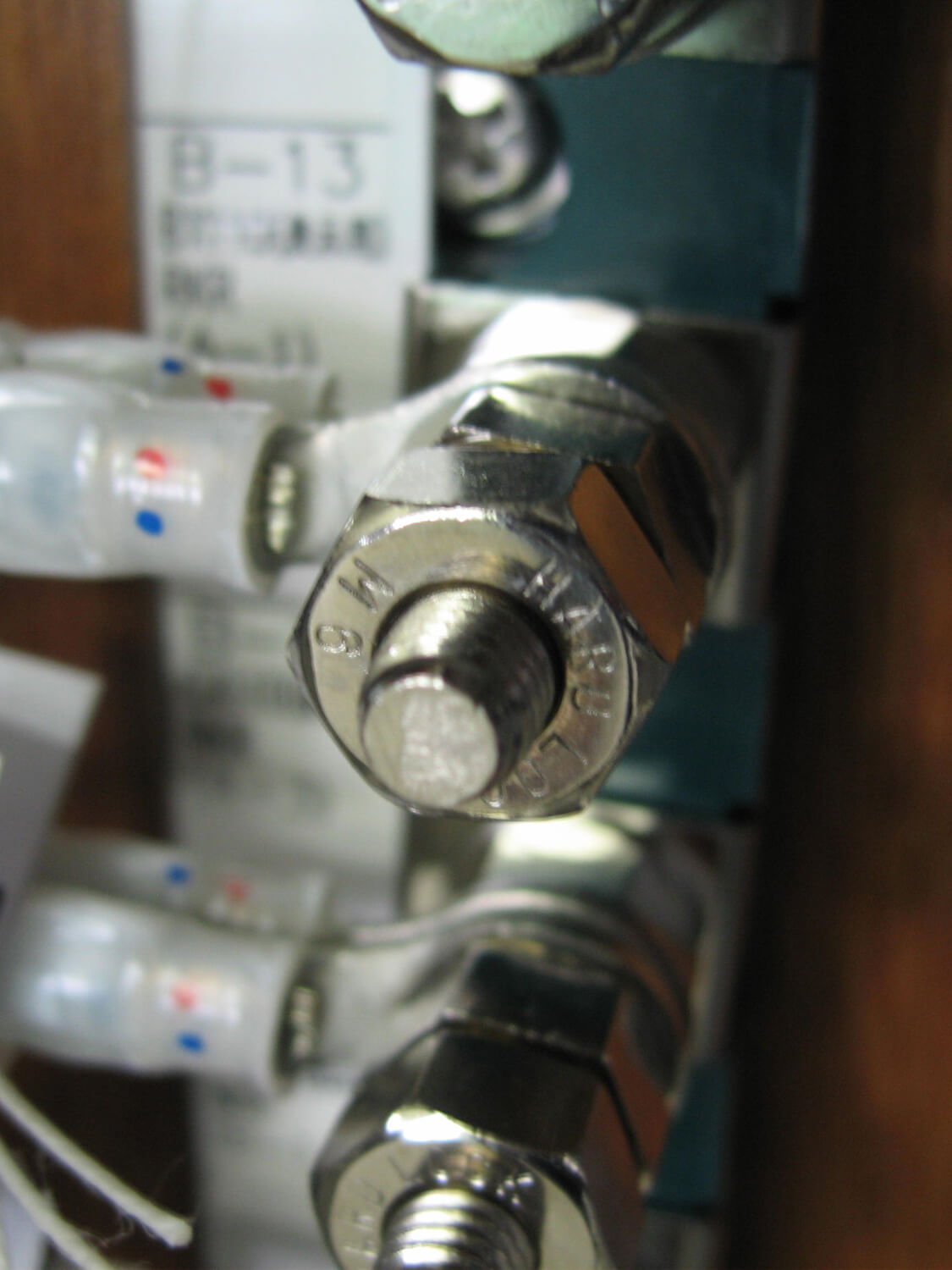
5. Mechanical Locking Systems (Advanced Solutions)
High-performance mechanical systems maintain preload even under:
- continuous vibration
- heavy load cycles
- thermal variation
These are used in high-risk industries where failure is not acceptable.
Limitations of Traditional Fastening Methods
While common, traditional solutions have weaknesses:
- Adhesives can degrade under heat or chemicals
- Washers may lose effectiveness under vibration
- Double nuts require proper installation skill
- Some methods require frequent maintenance
In high-demand environments, these limitations become critical.
How to Choose the Right Anti-Loosening Solution
Selection depends on application conditions:
Consider:
- Vibration intensity
- Load type (static vs dynamic)
- Temperature range
- Maintenance access
- Safety requirements
- Expected lifespan
There is no universal solution—only the right solution for each system.
©Hardlock Industry Japan
Industrial Best Practice for Preventing Bolt Loosening
Engineers typically combine:
- correct torque control
- surface preparation
- appropriate locking method
- periodic inspection schedules
This layered approach significantly improves reliability.
Conclusion
Bolt loosening is a complex mechanical issue driven by vibration, load variation, temperature change, and installation factors.
Left unresolved, it can lead to equipment failure, safety risks, and costly downtime.
Understanding the root causes is the first step toward designing more reliable and long-lasting fastening systems in industrial applications.