
Lock Nut Types Explained: Nylon Insert, Metal Lock Nuts, and High-Performance Alternatives
Why Choosing the Right Lock Nut Matters
Bolted joints are designed to hold components securely together, but vibration, dynamic loads, temperature changes, and repeated movement can gradually reduce clamp force and cause fasteners to loosen. In industries such as construction, manufacturing, transportation, energy, and heavy equipment, even a single loose fastener can lead to costly downtime, safety risks, and equipment failure.
Lock nuts are specifically designed to resist loosening and maintain fastening integrity. However, not all lock nuts work the same way. Understanding the differences between nylon insert lock nuts, metal lock nuts, and advanced locking technologies can help engineers and maintenance professionals select the right solution for their application.
What Is a Lock Nut?
A lock nut is a specialized fastener designed to prevent self-loosening caused by vibration, shock, thermal cycling, or dynamic loads. Unlike standard nuts, lock nuts incorporate additional locking mechanisms that increase resistance to rotation after installation.
Common industries that rely on lock nuts include:
Types of Lock Nuts
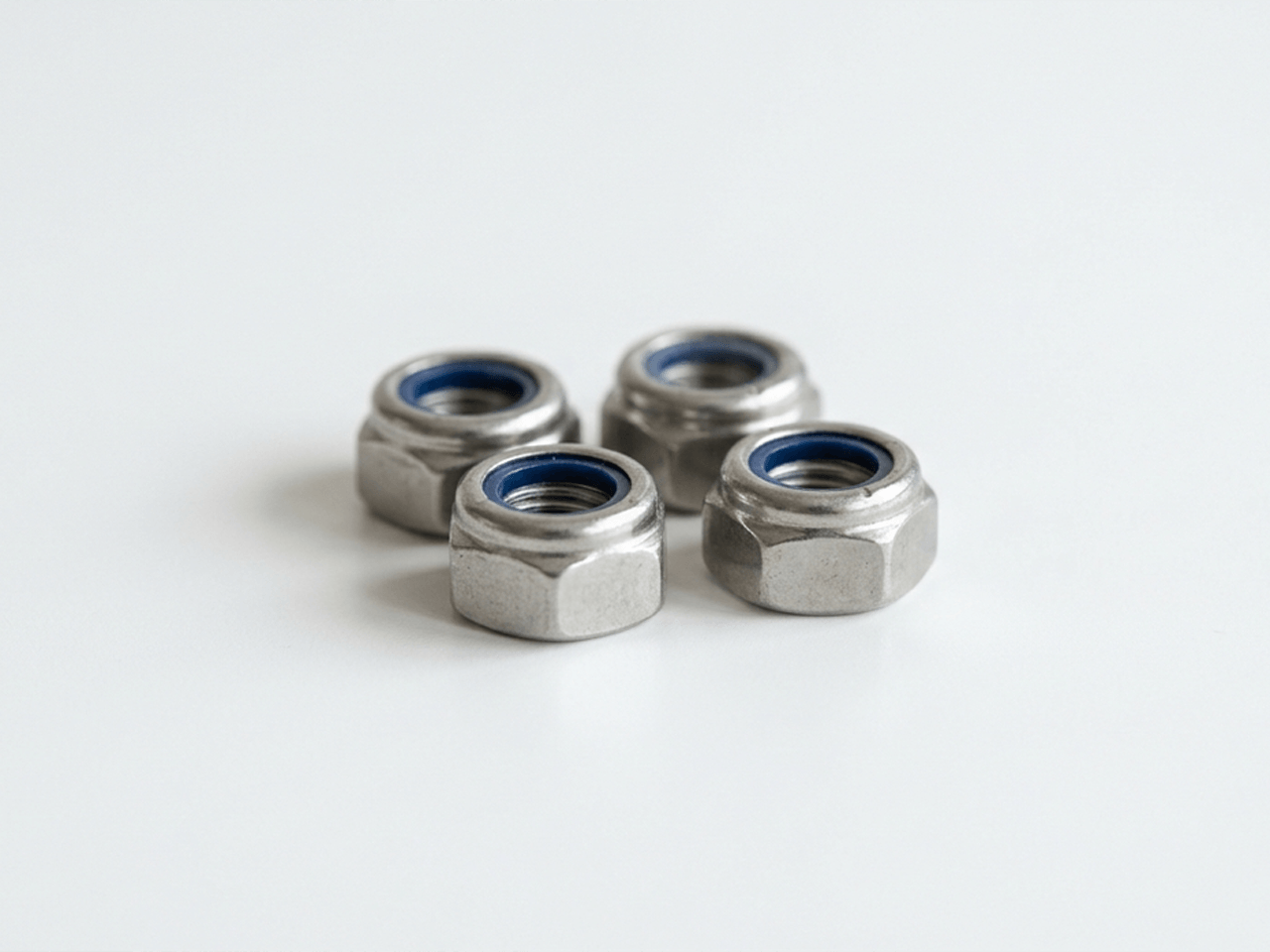
Nyloc Nuts
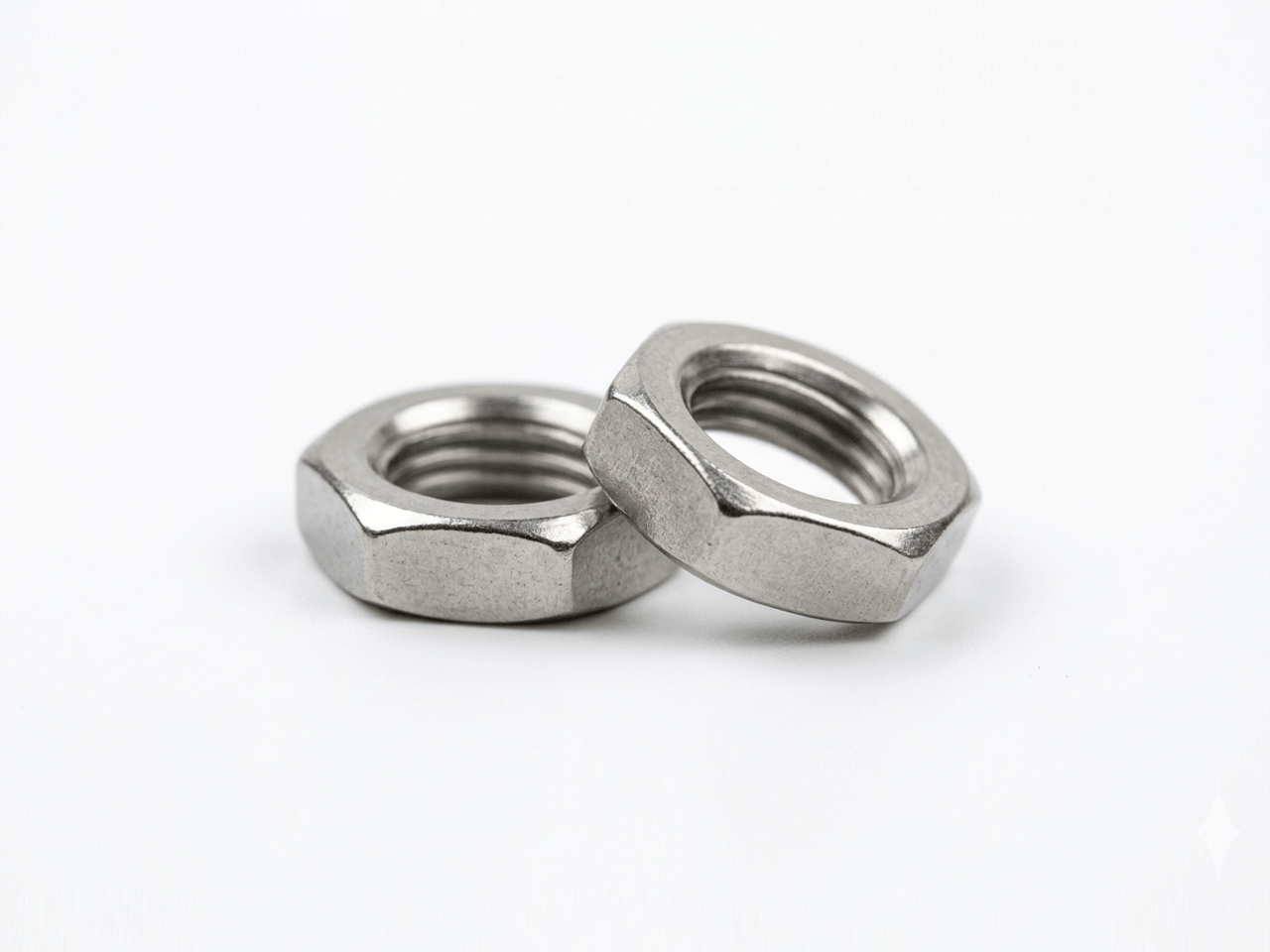
Jam Nuts
1. Nylon Insert Lock Nuts (Nyloc Nuts)
Nylon insert lock nuts are among the most commonly used locking fasteners. They contain a nylon collar positioned inside the nut. As the bolt threads through the nylon insert, the material deforms and creates friction that resists loosening.
Advantages
- Low cost
- Easy installation
- Effective for light to moderate vibration
- Widely available
Limitations
- Nylon can degrade at elevated temperatures
- Locking performance decreases with repeated reuse
- Performance relies primarily on friction
- Not ideal for severe vibration environments
- Typical Applications
- Consumer products
- Light machinery
- HVAC equipment
- Electrical enclosures
- General industrial assemblies
2. All-Metal Lock Nuts
All-metal lock nuts eliminate polymer inserts and achieve locking through thread deformation or specialized metal features. Common designs include distorted thread nuts, top-lock nuts, and prevailing torque nuts.
Advantages
- Suitable for high-temperature environments
- Resistant to chemicals and harsh conditions
- No polymer components to degrade
- Better performance than nylon insert nuts in demanding applications
Limitations
- Locking force can decrease through repeated use
- Installation torque may be higher
- Still largely dependent on friction-based locking methods
- Typical Applications
- Industrial machinery
- Power generation
- Automotive systems
- High-temperature equipment
3. Serrated Flange Lock Nuts
Serrated flange lock nuts feature a built-in washer-like flange with serrations that bite into the mating surface. The serrations increase friction and help prevent rotation after installation.
Advantages
- Eliminates the need for separate washers
- Quick installation
- Good resistance to moderate vibration
Limitations
- Can damage mating surfaces
- Effectiveness depends on surface conditions
- Not suitable for all materials
4. Jam Nuts
A jam nut system uses two nuts tightened against one another to create resistance and reduce loosening. This method has been used for decades in mechanical assemblies.
Advantages
- Simple and inexpensive
- No special fastener design required
- Reusable
Limitations
- Requires additional installation time
- More components to manage
- Performance depends heavily on proper installation
The Challenge with Friction-Based Locking
Most traditional lock nuts rely on friction to prevent loosening. While friction-based locking methods work well in many applications, vibration, surface wear, thermal expansion, and repeated load cycles can gradually reduce their effectiveness over time.
This is especially important in critical applications such as:
- Railway infrastructure
- Heavy equipment
- Mining operations
- Bridges and structural systems
- Renewable energy installations
- Industrial automation systems
In these environments, maintaining preload is often more important than simply increasing friction.
High-Performance Alternative: Mechanical Wedge-Locking Technology
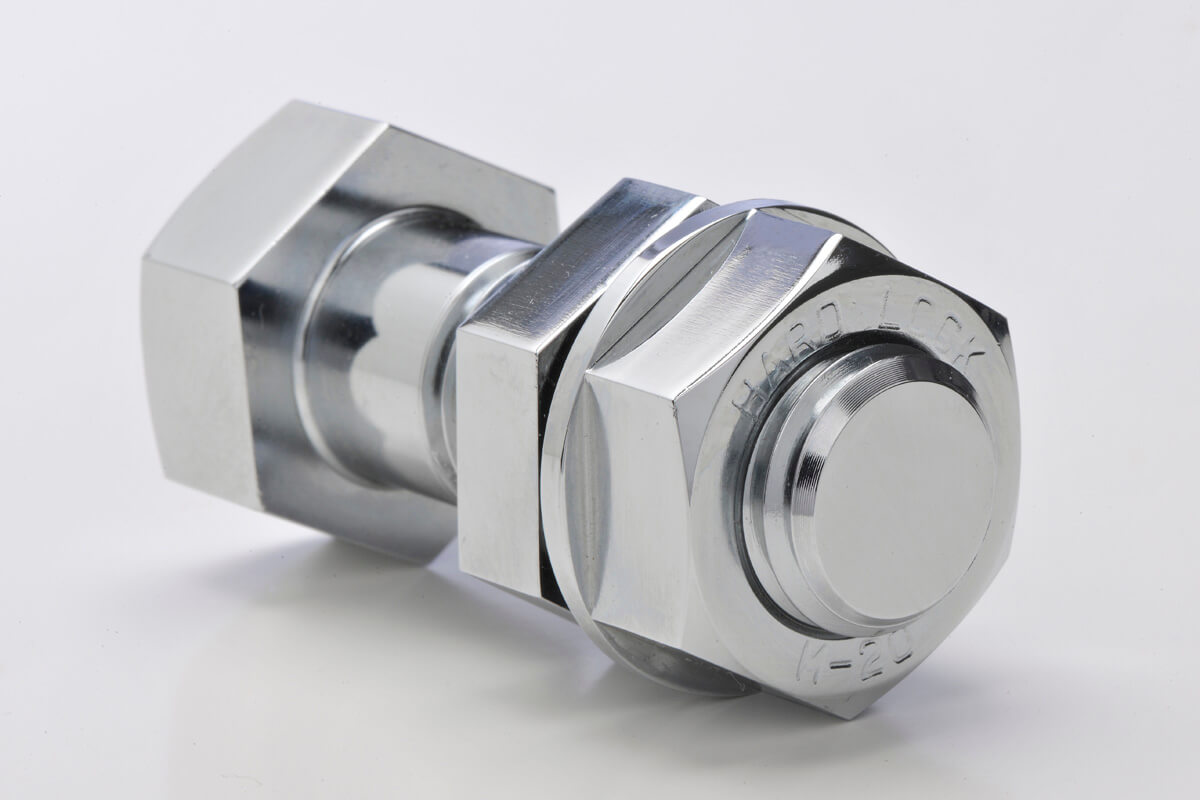
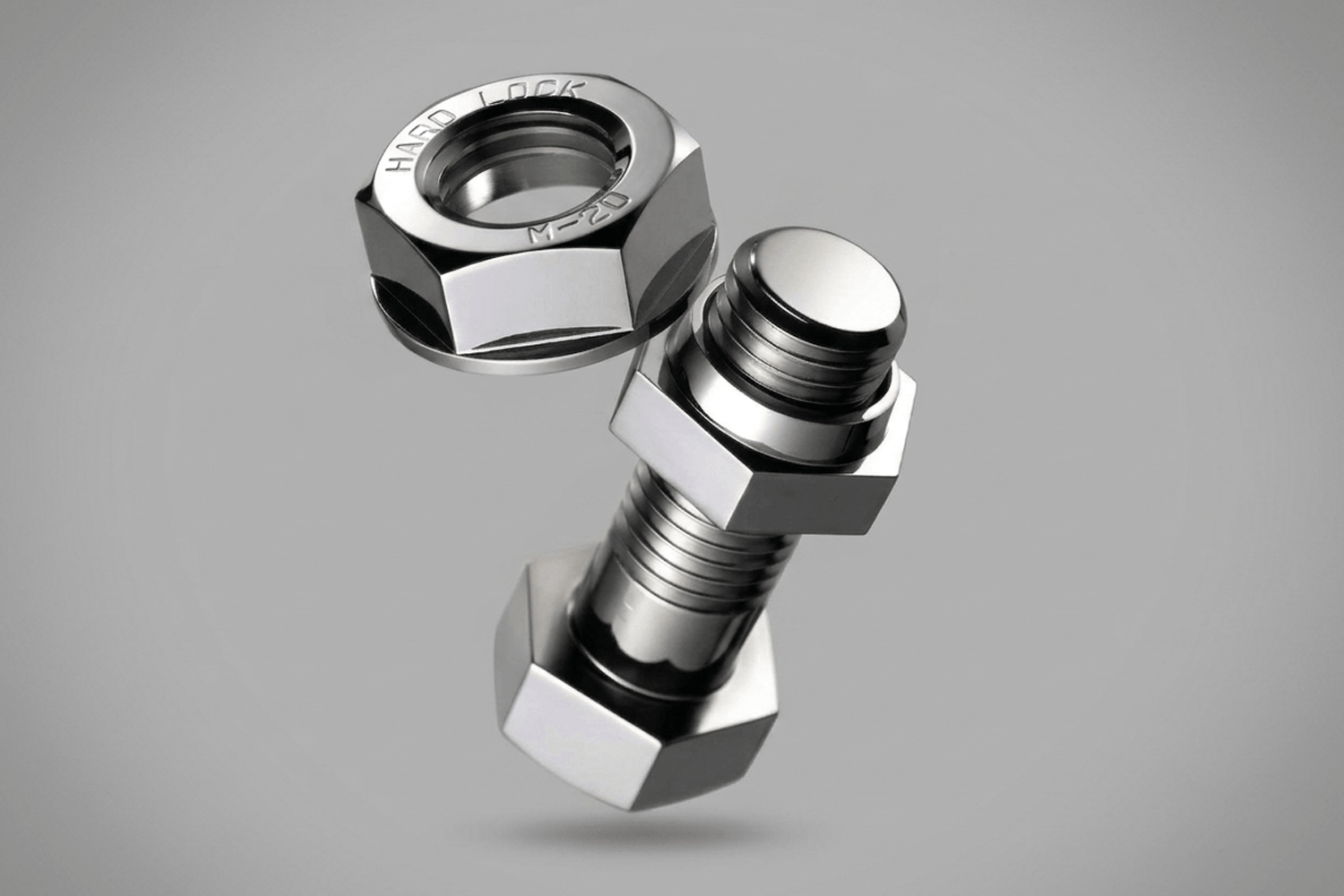
Advanced locking systems such as HARDLOCK® Nuts use a fundamentally different approach. Instead of relying primarily on friction, they utilize a mechanical wedge-locking principle that physically resists rotational loosening.
The system consists of a pair of specially engineered nuts:
- A convex top nut
- A concave bottom nut
When tightened together, the unique geometry creates a wedge effect that generates a strong locking force within the thread assembly. This design helps maintain preload even under severe vibration conditions.
Lock Nut Comparison
| Feature | Nylon Insert Lock Nut | All-Metal Lock Nut | HARDLOCK® Nut |
|---|---|---|---|
| Locking Method | Friction | Friction / Thread Deformation | Mechanical Wedge Lock |
| High Temperature Resistance | Limited | Excellent | Excellent |
| Reusability | Limited | Moderate | High |
| Severe Vibration Resistance | Moderate | Moderate | Excellent |
| Dependence on Surface Conditions | High | Moderate | Low |
| Long-Term Reliability | Moderate | Good | Excellent |
How to Choose the Right Lock Nut
When selecting a lock nut, consider:
Operating Environment
Will the assembly be exposed to:
High temperatures?
Chemicals?
Corrosion?
Moisture?
Vibration Levels
Applications with continuous vibration require more robust locking methods than static assemblies.
Maintenance Requirements
Consider whether the assembly will require repeated disassembly and reinstallation.
Failure Consequences
Critical infrastructure and safety-sensitive equipment often justify higher-performance locking systems to reduce risk and maintenance costs.
Conclusion
Lock nuts play a critical role in preventing fastener loosening and maintaining joint integrity. Nylon insert lock nuts remain a cost-effective solution for many general-purpose applications, while all-metal lock nuts offer better performance in harsh environments.
For applications where vibration resistance, reusability, and long-term reliability are critical, mechanical wedge-locking technologies such as HARDLOCK® Nuts provide an alternative approach that goes beyond friction-based locking methods.
By understanding the strengths and limitations of each lock nut type, engineers and maintenance professionals can make more informed fastening decisions and reduce the risk of costly failures.
©中小機構公式チャンネル(SMRJ:独立行政法人中小企業基盤整備機構): HARDLOCK Industry Co., Ltd.[J-GoodTech]
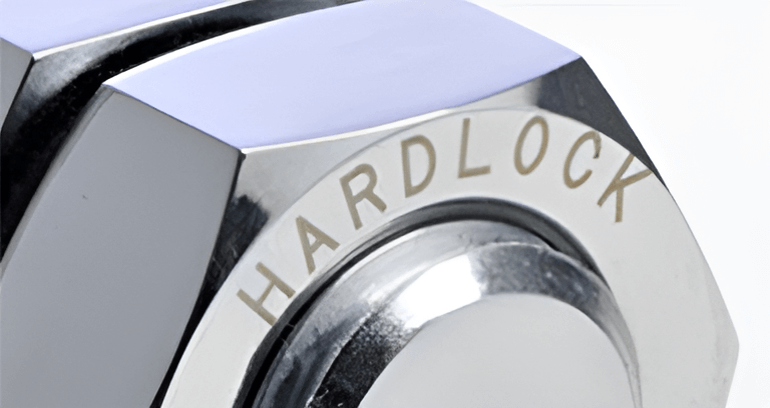
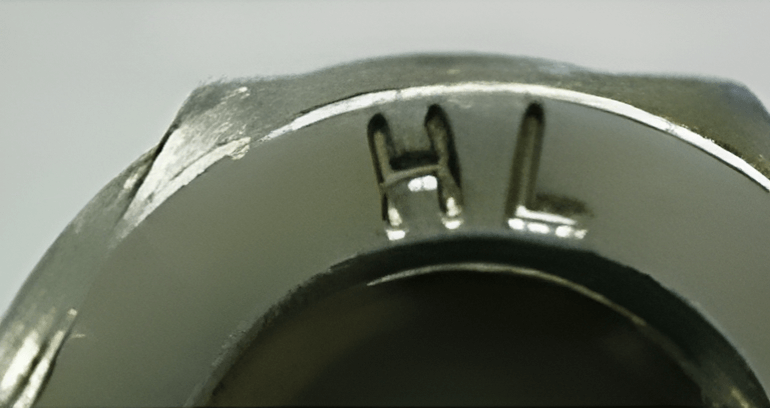
⚠️ Quality issues caused by counterfeit products can result in serious and costly consequences for your business. Please exercise caution and choose genuine HARDLOCK solutions.
*A-Lex International Marketing is an authorized distributor for HARDLOCK Industry Co., Ltd.