
Hardlock Nut vs. Conventional Fasteners: What’s the Difference?
Introduction
Why fastener performance matters in critical applications
Fasteners are often small, inexpensive components—but when they fail, the consequences can be severe. In industries like rail, construction, mining, energy, and heavy manufacturing, bolt loosening can lead to equipment failure, safety risks, unplanned downtime, and costly repairs.
Understanding why fasteners loosen and how different fastening solutions perform under real-world conditions is essential. This is where the comparison between Hardlock Nuts and conventional fasteners becomes critical.
What Is a Hardlock Nut?
Overview of structure and locking mechanism
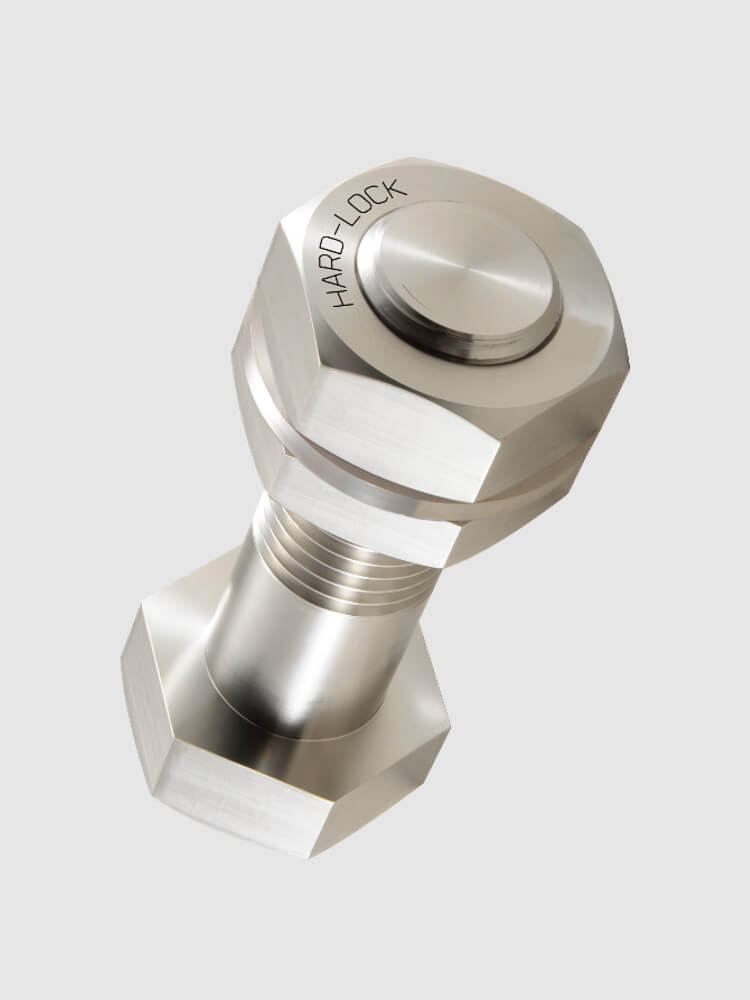
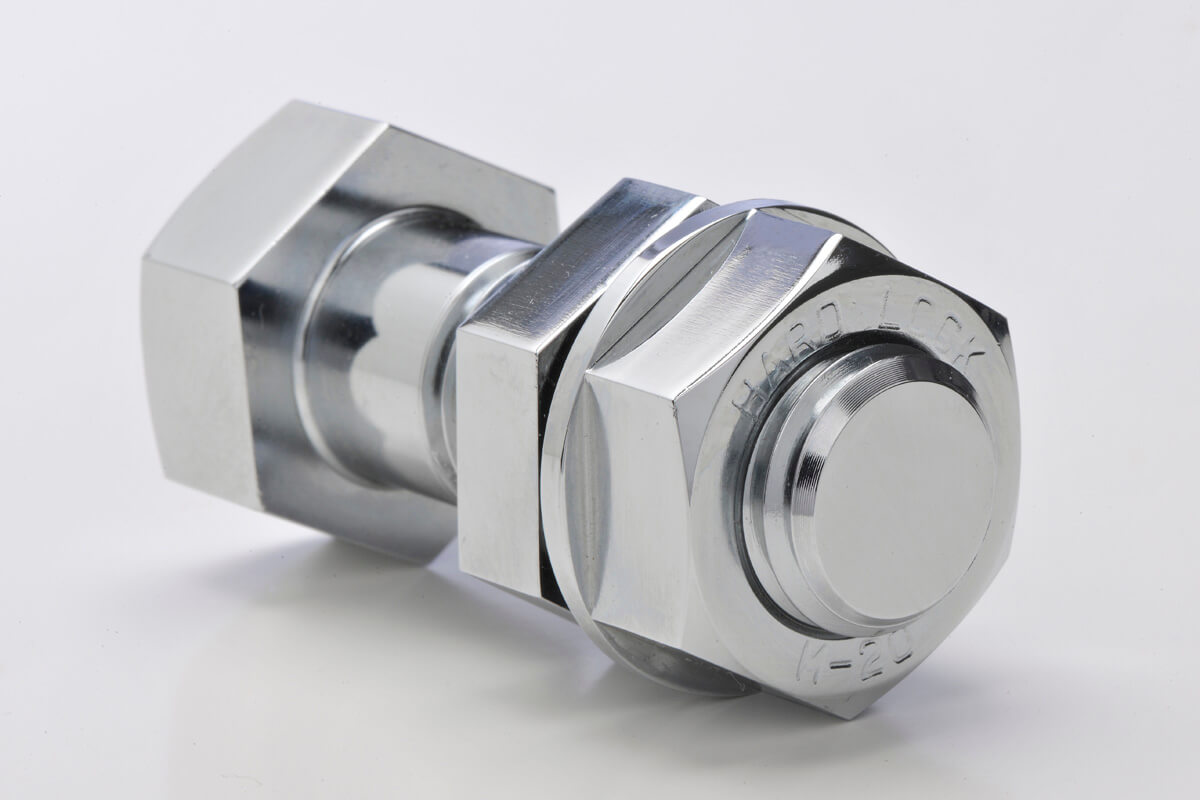
A Hardlock Nut is a mechanical locking fastener designed specifically to prevent bolt loosening, even under extreme vibration, shock, and load changes.
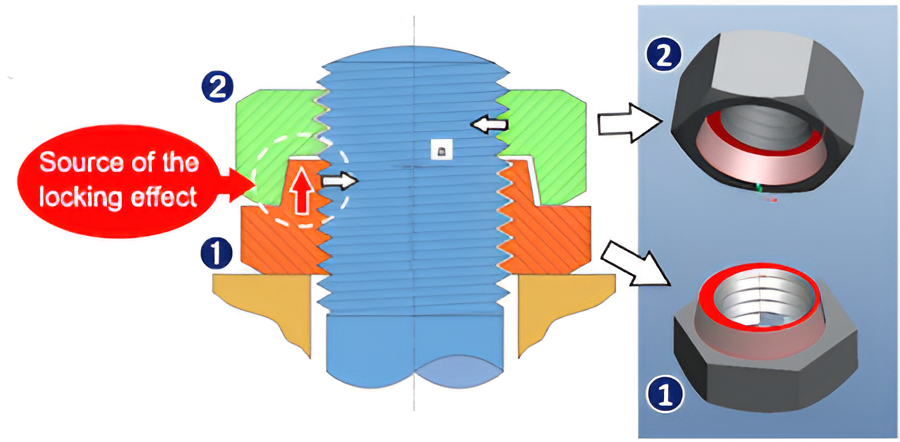
Unlike friction-based locking methods, the Hardlock Nut uses a wedging principle to eliminate the clearance (play) between the bolt and nut threads—the primary cause of loosening.
Key design features:
- Composed of two nuts
- A convex nut with an eccentric (off-center) boss
- A concave nut with a perfectly circular face
- When tightened together, the eccentric geometry creates a powerful transverse wedging force
- This wedging force mechanically locks the nut to the bolt, not relying on friction, deformation, or adhesives
The result is a fastening system that maintains preload and resists loosening from vibration, shock, and repeated loading.
What Are Conventional Fasteners?
Common types and how they function
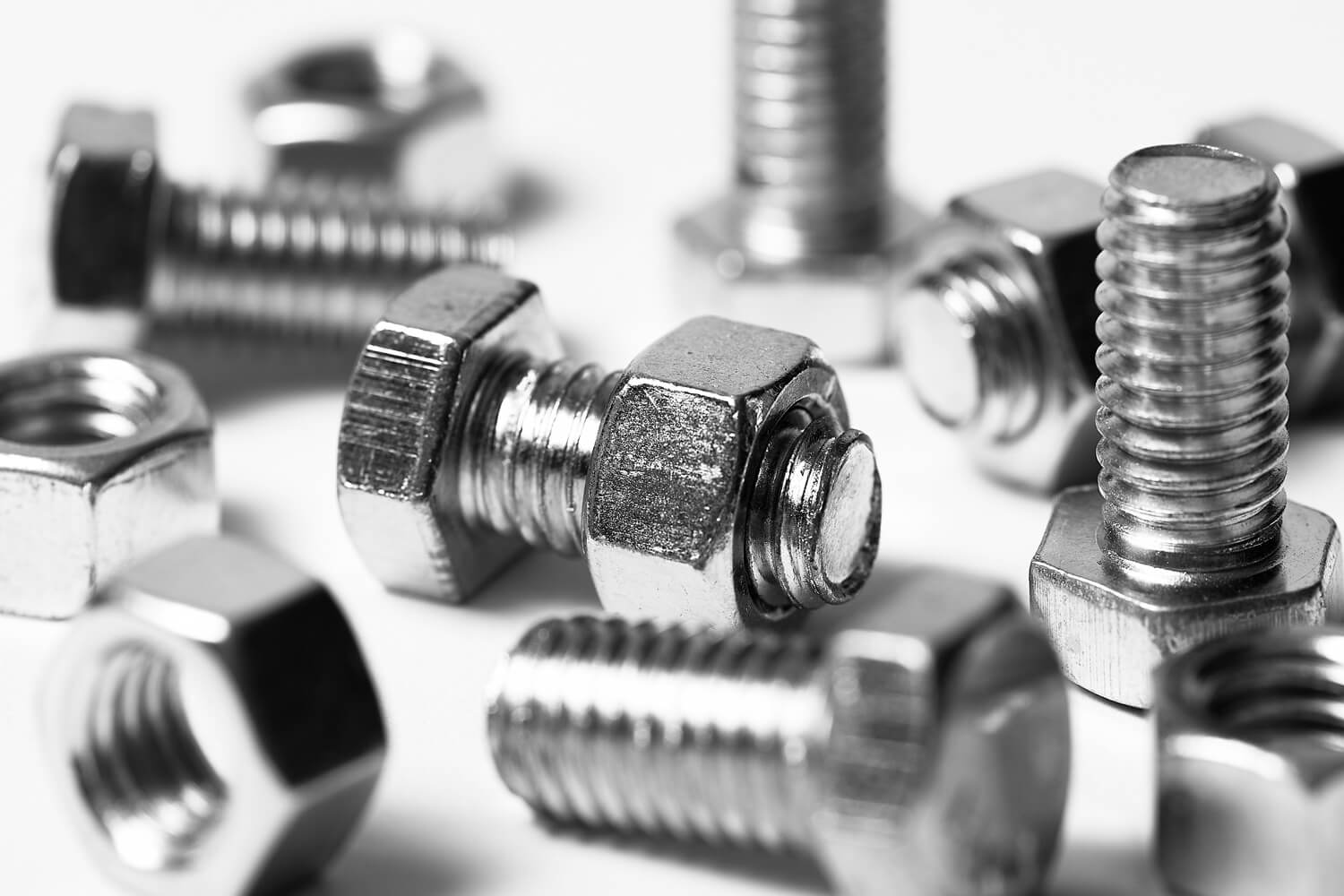
Conventional fasteners include standard nuts and bolts, often combined with secondary locking methods such as:
- Spring washers
- Flat washers
- Nylon-insert lock nuts
- Serrated flange nuts
- Chemical thread lockers
Most conventional systems rely on friction or material deformation to resist loosening. While these methods can work in low-stress environments, their effectiveness drops significantly under vibration, temperature changes, or long-term cyclic loading.
Over time, preload loss is common—especially in dynamic or high-risk applications.
Hardlock Nut vs. Conventional Fasteners
Key Differences at a Glance
| Feature | Hardlock Nut | Conventional Fasteners |
|---|---|---|
| Anti-loosening method | Mechanical wedge locking | Friction, deformation, or adhesives |
| Resistance to vibration | Extremely high | Low to moderate |
| Preload retention | Maintains preload long-term | Preload decreases over time |
| Performance under shock | Excellent | Often unreliable |
| Reusability | Yes | Often limited |
| Maintenance frequency | Low | Higher |
| Initial cost | Higher | Lower |
| Lifecycle cost | Lower | Often higher |
Anti-Loosening Performance
Real-world scenarios and test-based results
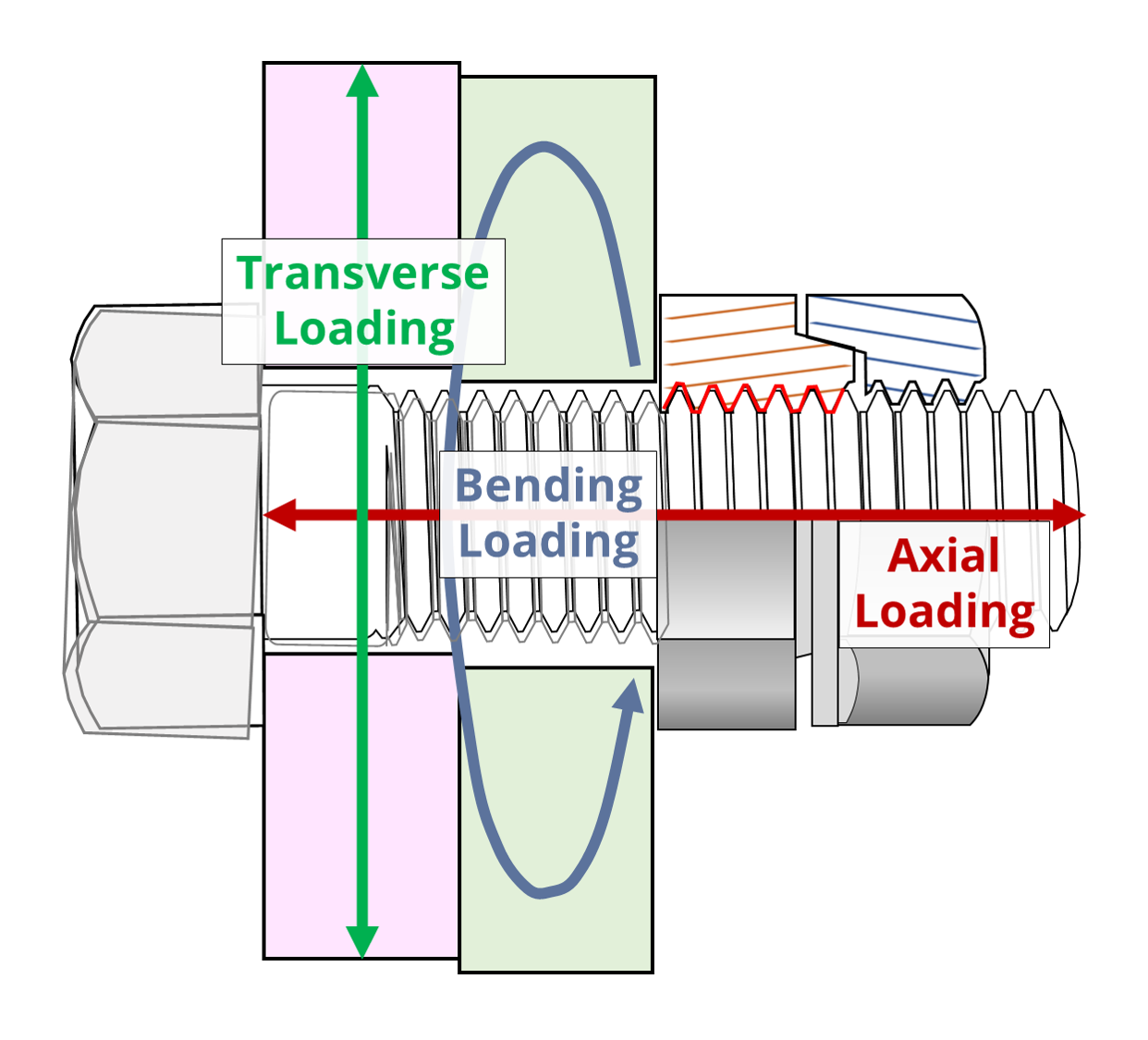
Bolted joints loosen primarily due to preload loss, which reduces the clamping force holding components together. There are two main types of loosening:
Rotational Loosening
Occurs when the nut physically rotates relative to the bolt, typically caused by:
- Axial loading (tensile forces along the bolt axis)
- Transverse loading (shear forces perpendicular to the bolt axis)
- Bending loading (combined axial and transverse forces)
Transverse loading is especially dangerous and is a leading cause of spontaneous bolt loosening in real-world applications.
Non-Rotational Loosening
Occurs without visible nut rotation, caused by:
- Embedding (surface flattening under load)
- Differential thermal expansion
- Damage to joint coatings or finishes
- Excessive bearing stress
- Gasket creep
- Stress relaxation over time
The Hardlock Nut’s wedging mechanism directly addresses rotational loosening by completely eliminating thread clearance—and significantly reduces the effects of several non-rotational loosening mechanisms.
Vibration Resistance
Applications under movement, impact, and stress
©HARDLOCK Industry Co., Ltd.
Vibration is the enemy of traditional fasteners. Once micro-movement begins, preload rapidly decreases, accelerating fatigue failure.
Hardlock Nuts excel in environments with:
- Continuous vibration
- Repeated shock loads
- High dynamic forces
- Start-stop or reversing motion
Because the locking force is mechanical and transverse to the bolt axis, vibration actually increases the wedging effect rather than weakening it.
Installation and Maintenance
Tools, time, torque, and long-term reliability
Installation
- Requires standard tools
- Installed using conventional torque methods
- No special training or chemicals required
Maintenance
- No need for retightening
- No degradation from heat, oil, or corrosion
- Can be removed and reused without loss of performance
In contrast, many conventional locking solutions lose effectiveness after initial installation or require frequent inspection and replacement.
Cost Efficiency Over Time
Upfront cost vs. lifecycle value
While Hardlock Nuts typically have a higher initial cost than standard nuts, they often deliver lower total cost of ownership.
Lifecycle savings come from:
- Reduced maintenance labor
- Fewer inspections
- Longer service life
- Prevention of catastrophic failures
- Less downtime and repair costs
In critical applications, the cost of a loose bolt far outweighs the cost of a premium fastener.
Applications and Use Cases
Where Hardlock outperforms conventional fasteners
Hardlock Nuts are commonly used in:
- Railways and rolling stock
- Bridges and civil infrastructure
- Construction and heavy machinery
- Mining and earthmoving equipment
- Wind turbines and energy facilities
- Industrial automation and robotics
- Steel structures exposed to vibration
Anywhere bolt failure is not an option, Hardlock provides a proven solution.
Conclusion
When to choose Hardlock vs. traditional nuts and bolts
Conventional fasteners are suitable for low-risk, static applications where vibration and load changes are minimal.
However, when joints are exposed to:
- Vibration
- Shock
- Thermal cycling
- Long-term cyclic loading
- Safety-critical conditions
Hardlock Nuts offer a fundamentally different—and more reliable—approach.
By eliminating thread play through a mechanical wedging mechanism, Hardlock Nuts maintain preload, resist loosening, and deliver long-term fastening security where traditional solutions fall short.
*A-Lex International Marketing is an authorized distributor for HARDLOCK Industry Co., Ltd.