
Fastener Failures in Critical Infrastructure: Causes, Costs, and Prevention
Fasteners are small components with outsized responsibility in critical infrastructure systems. When they fail, the consequences can range from minor disruptions to serious structural risks.
Fastener failure is a hidden but significant factor in infrastructure reliability, safety, and long-term maintenance planning.
What Is Fastener Failure?
Fastener failure refers to any condition where a bolt, nut, screw, or joint no longer maintains its intended clamping force or structural integrity.
In most systems, failure does not happen instantly; it develops gradually through loosening, cracking, corrosion, or installation issues.
- Loosening under vibration
- Fracture due to fatigue or overload
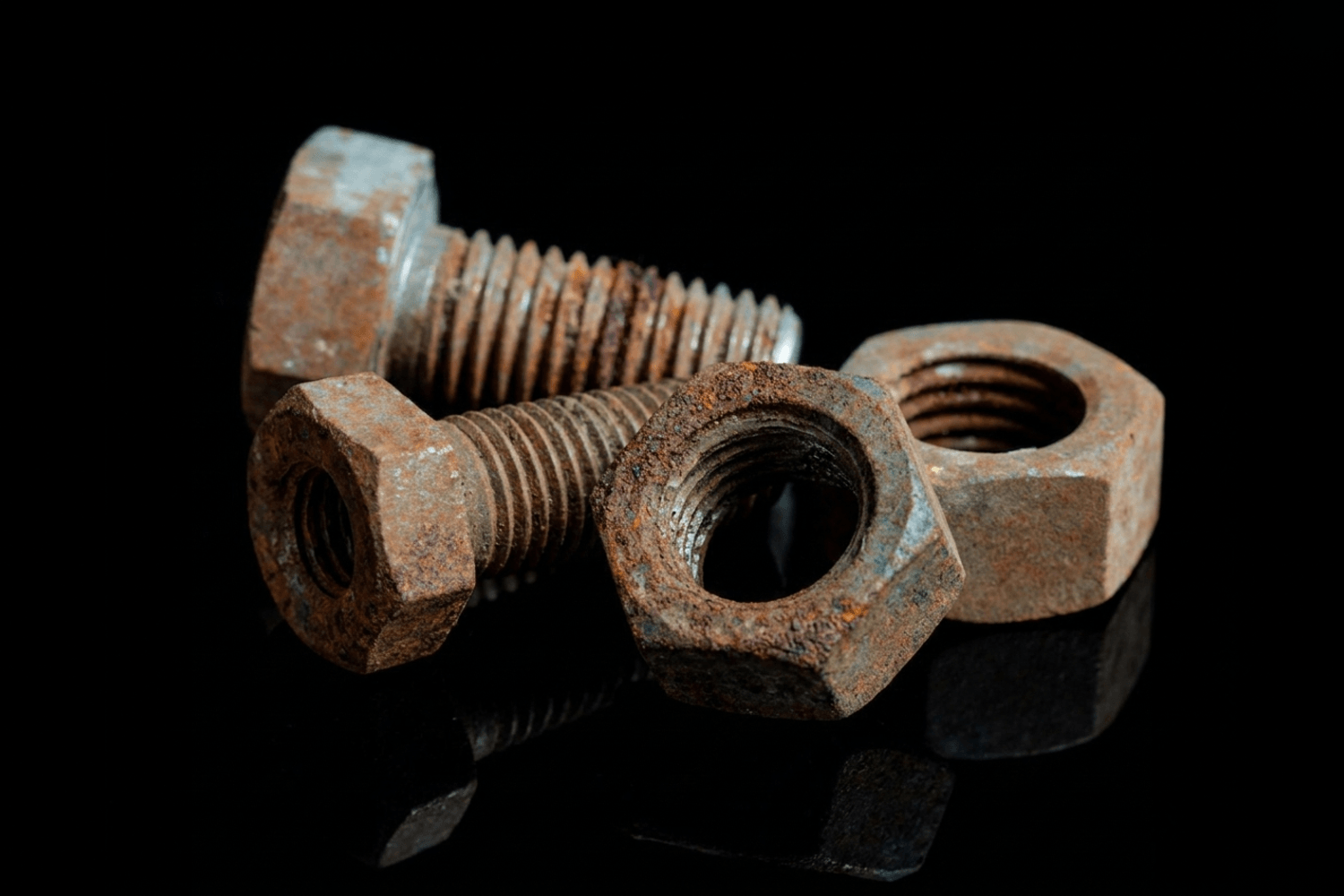
- Corrosion-driven material loss
- Improper installation or specification errors
Even small deviations in performance can compromise entire assemblies.
Top Causes of Fastener Failure
Fastener failures rarely come from a single issue. They typically result from a combination of mechanical stress, environmental exposure, and human factors.
Understanding the root causes helps prevent recurring failures in high-risk systems.
- Vibration and Dynamic Loads
Continuous movement and oscillation gradually reduce clamping force, leading to loosening over time. - Improper Torque or Installation
Incorrect tightening is one of the most common and preventable causes of failure in bolted joints. - Fatigue and Material Stress
Repeated loading cycles create microscopic cracks that grow until sudden failure occurs. - Corrosion and Environmental Exposure
Moisture, salt, chemicals, and temperature changes weaken material strength over time. - Design and Specification Errors
Incorrect fastener selection for load, environment, or material compatibility increases failure risk even if installation is correct.
The True Cost of Fastener Failure in Infrastructure
Fastener failure impacts far more than individual components; it affects entire systems, operations, and safety outcomes.
The cost is typically divided into immediate repair expenses and long-term indirect risks.
Direct Costs
Immediate financial impact includes repairs, replacement, and operational downtime.
- Emergency maintenance and part replacement
- Production or service interruption
- Inspection and diagnostic labor
Indirect Costs
Long-term consequences often outweigh repair costs.
- Safety incidents and liability exposure
- Regulatory penalties and compliance issues
- Environmental damage in severe cases
- Reputation and trust loss
Industry-Specific Examples
Different industries experience unique failure consequences depending on load and environment.
- Railways: track instability and service delays
- Bridges: increased structural maintenance cycles
- Wind turbines: downtime and high-access repair costs
How to Prevent Fastener Failure
Prevention focuses on design accuracy, correct installation, and long-term monitoring strategies.
A proactive approach significantly reduces both risk and lifecycle costs.
- Smart Design and Material Selection
Choosing the correct grade, coating, and geometry ensures compatibility with load and environment conditions. - Proper Installation Techniques
Controlled torque application and correct tooling ensure consistent and reliable joint performance. - Scheduled Inspection and Maintenance
Regular checks help detect loosening, corrosion, or fatigue before failure escalates. - Advanced Locking Systems
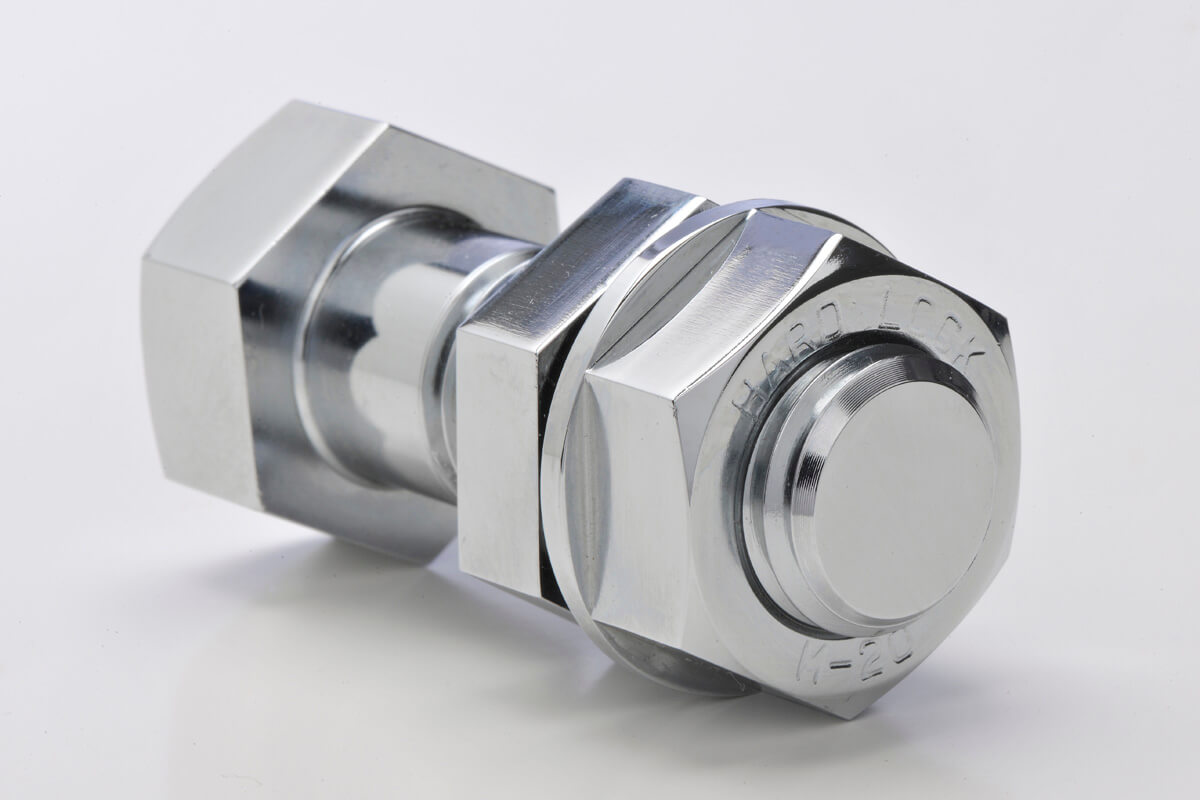
Vibration-resistant solutions, such as wedge-locking systems like Hardlock-style technology, help maintain preload under extreme conditions.
Case Example: Vibration-Resistant Fastening in Action
Real-world applications demonstrate how improved fastening systems reduce failure rates in high-vibration environments.
In industrial and rail systems, switching to vibration-resistant locking mechanisms has significantly reduced loosening-related maintenance issues.
This results in improved uptime, lower lifecycle costs, and more reliable infrastructure performance.
Conclusion
Fastener failure is not just a mechanical issue; it is a systems-level risk that affects safety, cost, and operational reliability.
By improving design, installation practices, and adopting advanced fastening technologies, organizations can dramatically reduce failure rates.
In critical infrastructure, prevention is not optional—it is a core part of engineering resilience.
©中小機構公式チャンネル(SMRJ:独立行政法人中小企業基盤整備機構): HARDLOCK Industry Co., Ltd.[J-GoodTech]
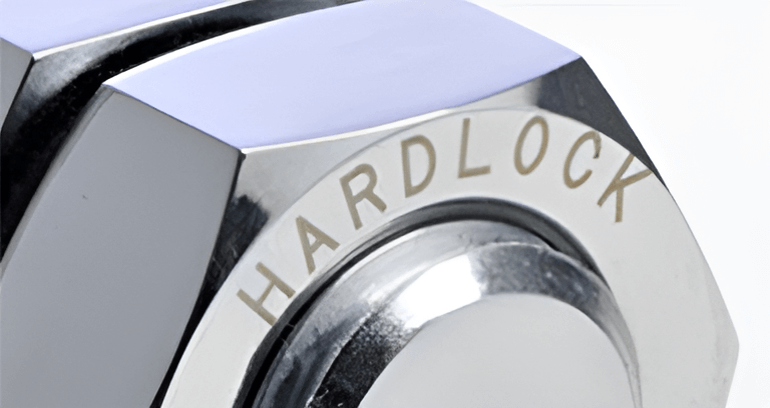
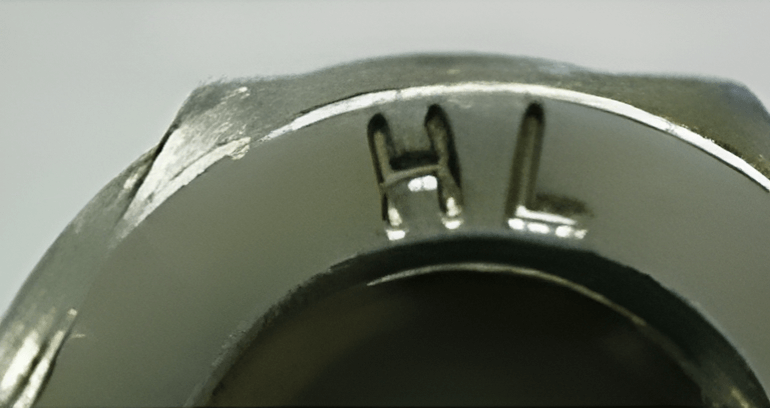
⚠️ Quality issues caused by counterfeit products can result in serious and costly consequences for your business. Please exercise caution and choose genuine HARDLOCK solutions.
*A-Lex International Marketing is an authorized distributor for HARDLOCK Industry Co., Ltd.