
Reliable Joint Fastening in Communication Towers Using HARDLOCK NUT
*Some images are for illustration purposes only.
Enhancing Safety and Reducing Maintenance in Critical Infrastructure
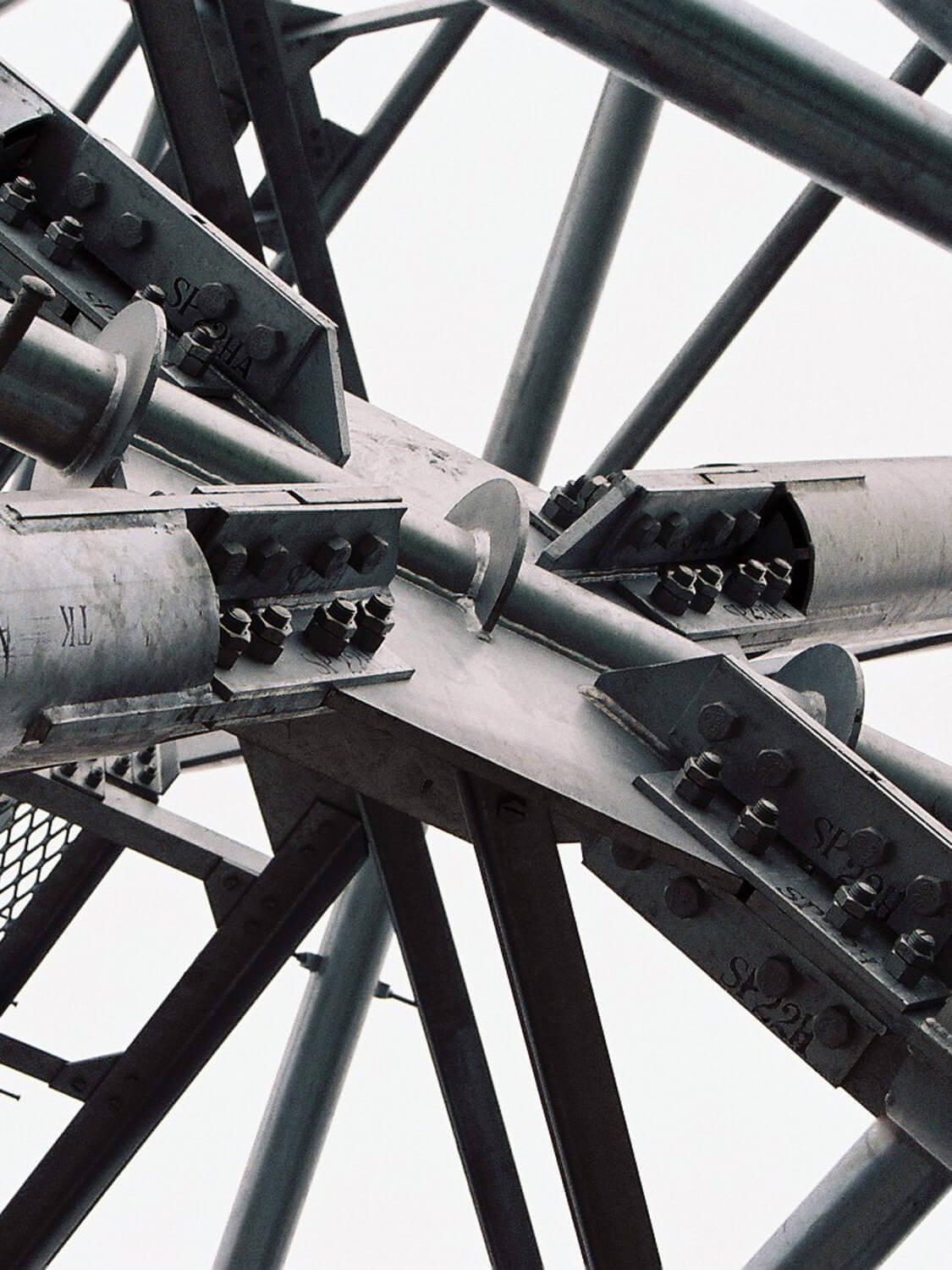
Telecommunications steel towers are essential infrastructure, and their safety is paramount—especially during natural disasters such as typhoons and earthquakes. These towers must maintain structural integrity under extreme conditions, and any loosening of components could result in serious accidents or total collapse.
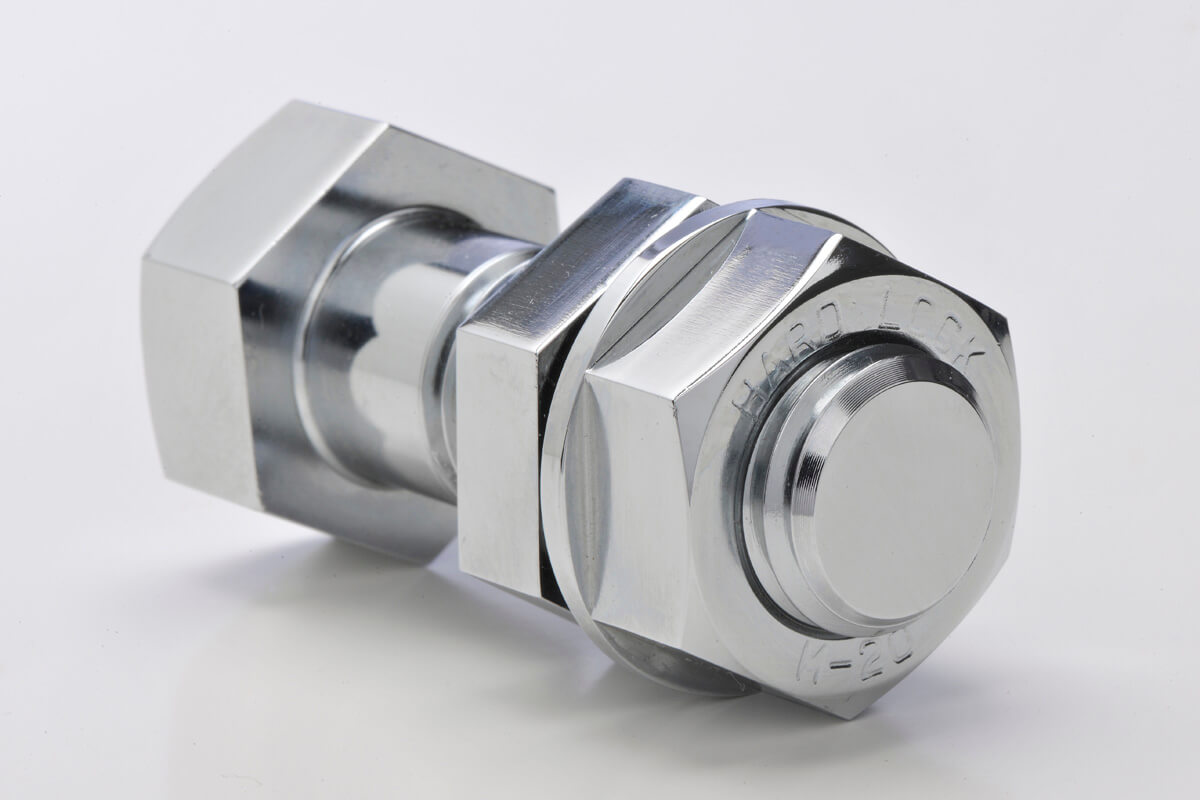
To strengthen joint reliability and reduce maintenance risks, HARDLOCK NUT has been adopted as a trusted solution in tower construction and upkeep.
Challenges in Traditional Tower Fastening
- Irregular Stress on Joints: Steel towers experience dynamic loading from wind, seismic activity, and thermal expansion, causing stress at fastening points.
- High-Risk Maintenance: Inspections and retightening at elevated heights present safety hazards and logistical challenges.
- Loosening of Bolted Joints: Standard fastening methods often fail under long-term vibration and load cycles, increasing the risk of accidents.
HARDLOCK NUT Application in Telecommunications Towers
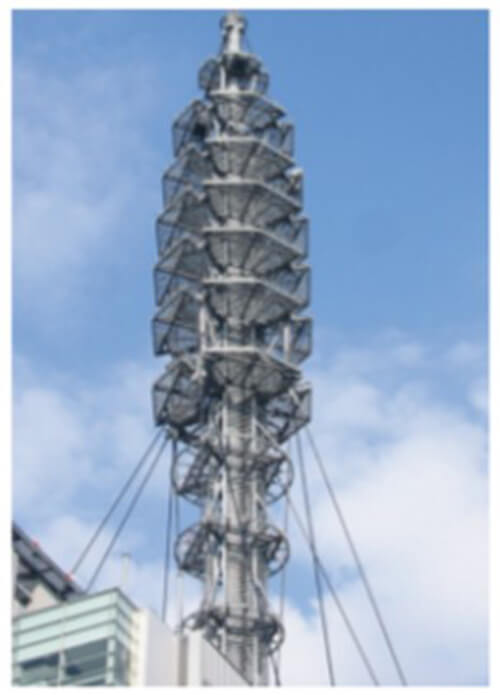
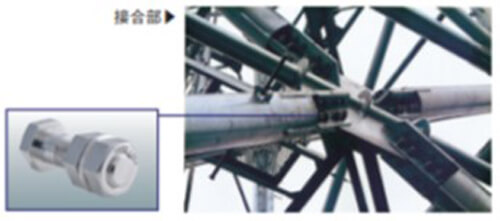
- Applied to High-Stress Locations: Critical joints that are subject to constant vibration and stress are secured using HARDLOCK NUT.
- Improved Structural Safety: The self-locking wedge design prevents loosening, even under the harshest environmental conditions.
- Reduced Maintenance Frequency: Extended maintenance and inspection intervals reduce costs and operational downtime.
- Minimized Worker Exposure: Fewer high-altitude interventions mean safer working conditions and reduced physical burden on technicians.
Proven Results in Safety, Efficiency, and Reliability
- Accident Prevention: Elimination of joint loosening significantly enhances tower safety and reliability.
- Operational Efficiency: Longer intervals between inspections and repairs lower maintenance costs and resource requirements.
- Enhanced Worker Safety: Less frequent need for work at height contributes to a safer and more sustainable maintenance process.
HARDLOCK NUT delivers trusted, long-term fastening performance in telecommunications infrastructure, ensuring uninterrupted service and public safety—no matter the conditions.
Secure Fastening Solutions for Towers, Masts, and Transmission Structures
Transmission towers and communication masts are exposed to extreme environmental forces such as wind, seismic movement, and heavy mechanical loads from cables and equipment. Over time, these conditions can cause standard fasteners to loosen—posing serious risks to structural stability and public safety. HARDLOCK Nut (HLN) offers a proven anti-loosening solution for critical joints and components in tower infrastructure, reducing inspection frequency and long-term maintenance costs.
Key Applications in Tower and Pylon Structures:
- Steel Frame Joints
- Ancillary Equipment Mounting
- Cable and Antenna Support Brackets
- Pipe Jumper Connections
- Insulator Fastening
- Electrical Hardware Mounting
From high-altitude communication towers to high-voltage transmission lines, HARDLOCK Nut (HLN) provides exceptional vibration resistance and fastening security, ensuring uninterrupted service and extended structural integrity.