
Secure Fishplate Fastening for Rail Track Joints Using HARDLOCK Nut
*Some images are for illustration purposes only.
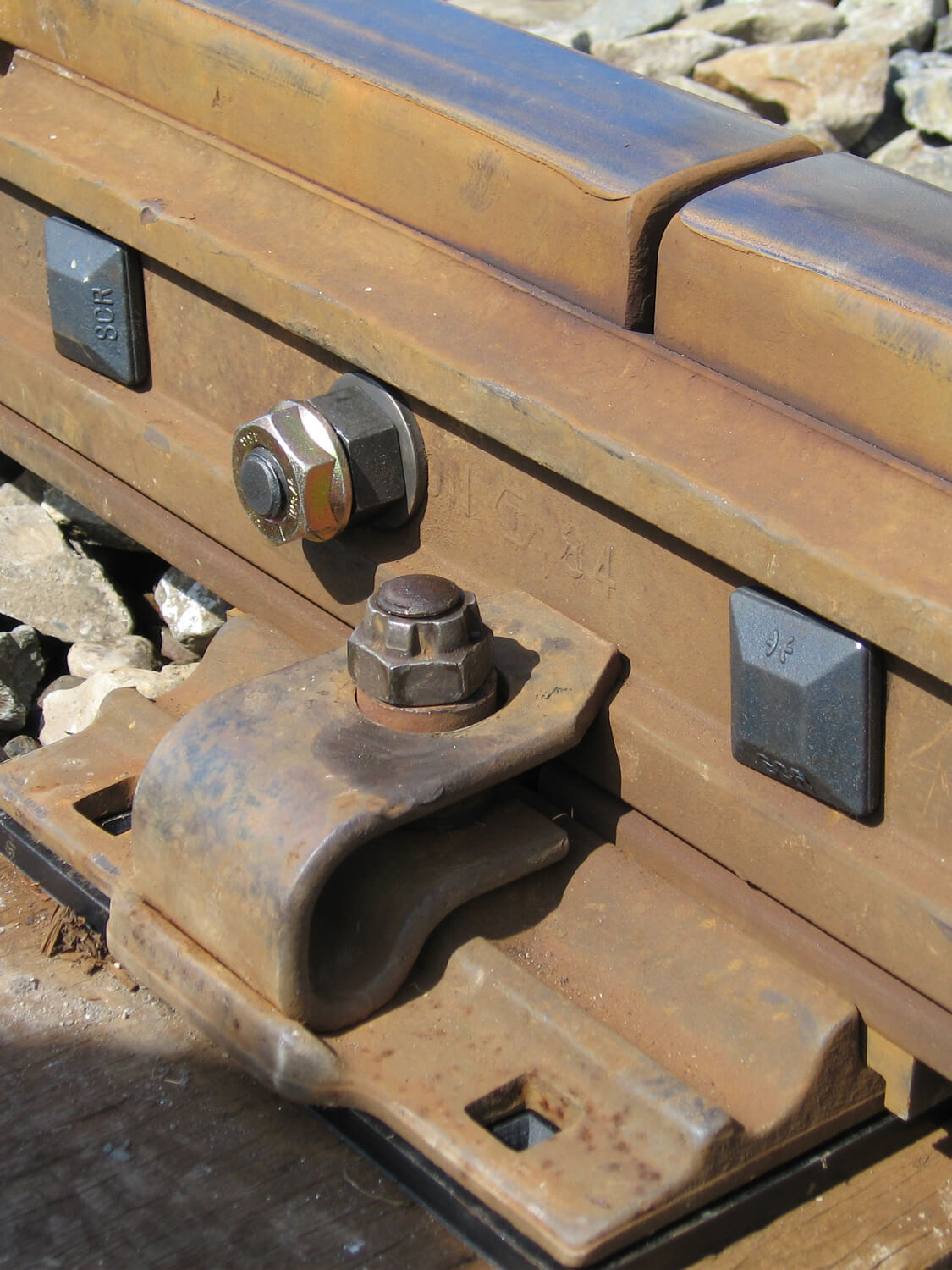
Railway tracks are the backbone of modern transportation, and their joints require precise and durable fastening to ensure safe train operations. A fishplate, made of steel plates fastened by joint bolts, connects the tracks and helps distribute the load during train passage.
However, common challenges like rail expansion due to seasonal changes and joint misalignments can compromise the stability and safety of these connections, making innovative solutions a necessity.
Overcoming Challenges in Track Joint Fastening
Railway tracks endure constant stress from both heavy trains and environmental conditions, leading to unique challenges:
- Impact Loads: When trains cross rail junctions, they generate perpendicular forces that can loosen or break bolts, risking track stability.
- Thermal Expansion: Summer heat causes rails to expand, necessitating elongated bolt holes to accommodate movement without compromising the connection.
- Joint Displacement: Misaligned rail joints result in high-impact loads, increasing stress on bolts and heightening the risk of failure.
Addressing these issues is crucial to maintaining long-term track performance and safety.
How Hardlock Nuts Improve Track Fastening
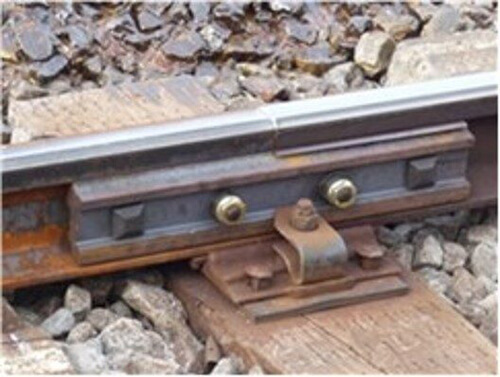
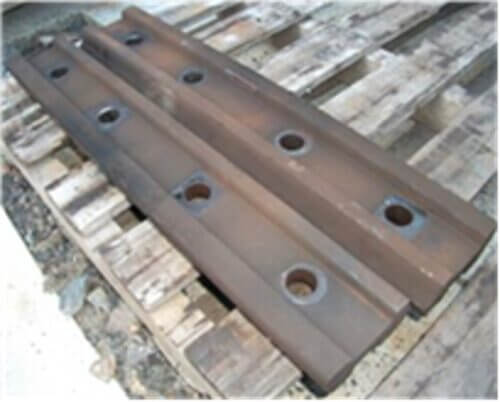
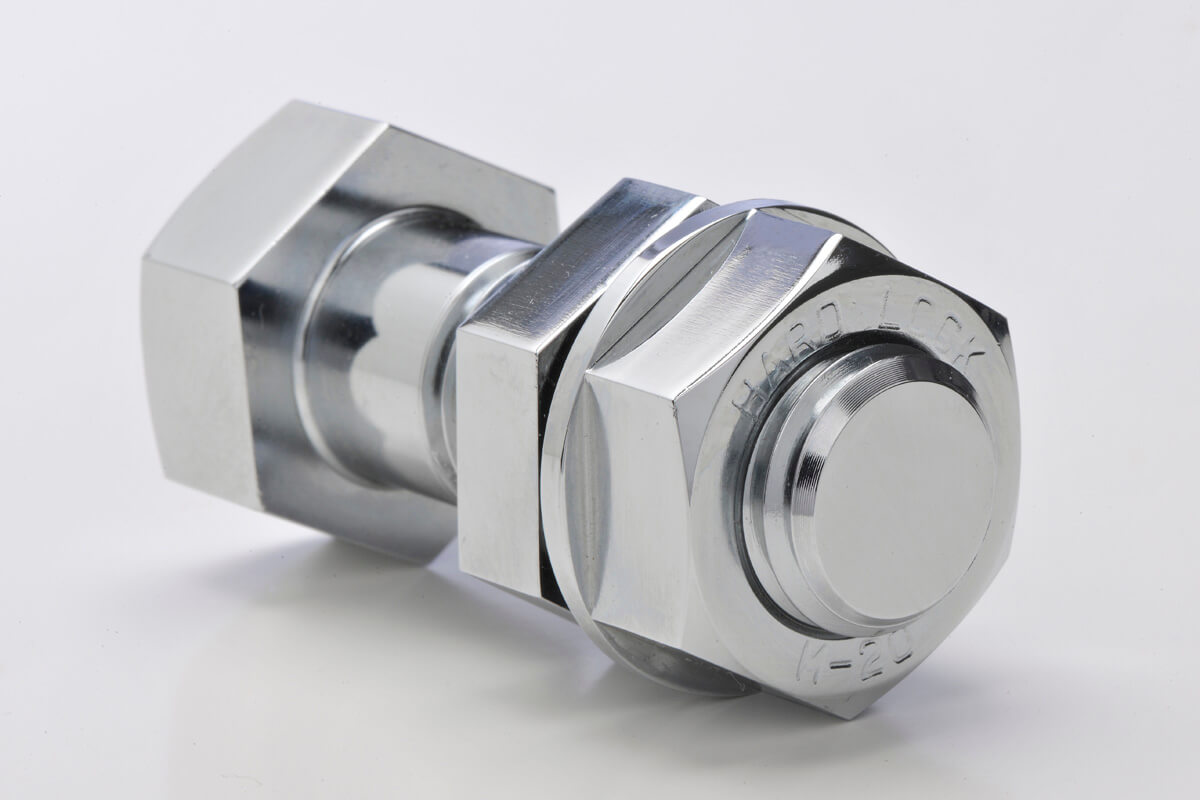
The use of HARDLOCK Nut in fishplate fastening has proven to be a game-changer for railway track maintenance. This innovative solution offers multiple advantages:
- Enhanced Stability: HARDLOCK Nut effectively absorbs rail expansion and contraction, ensuring a secure fit even during extreme temperature changes.
- Durable Performance: HARDLOCK nut prevents bolt loosening under high-impact loads, reducing maintenance needs and the risk of breakage.
- Efficient Installation: The application process involves proper torque control, streamlining the installation while improving accuracy.
- Cost-Effectiveness: By shortening work time and reducing the need for frequent repairs, Hardlock Nuts lower the overall maintenance costs for railway infrastructure.
Benefits of Hardlock Nuts for Railway Tracks
The adoption of HARDLOCK Nut for fastening fishplates has transformed railway track management. By addressing the dual challenges of thermal expansion and high-impact loads, this solution ensures the safety, reliability, and longevity of track joints. Additionally, the efficient installation process reduces the burden on workers and minimizes downtime, making it a highly cost-effective choice for railway operations.
Trusted Fastening Solutions for Rail Infrastructure Projects
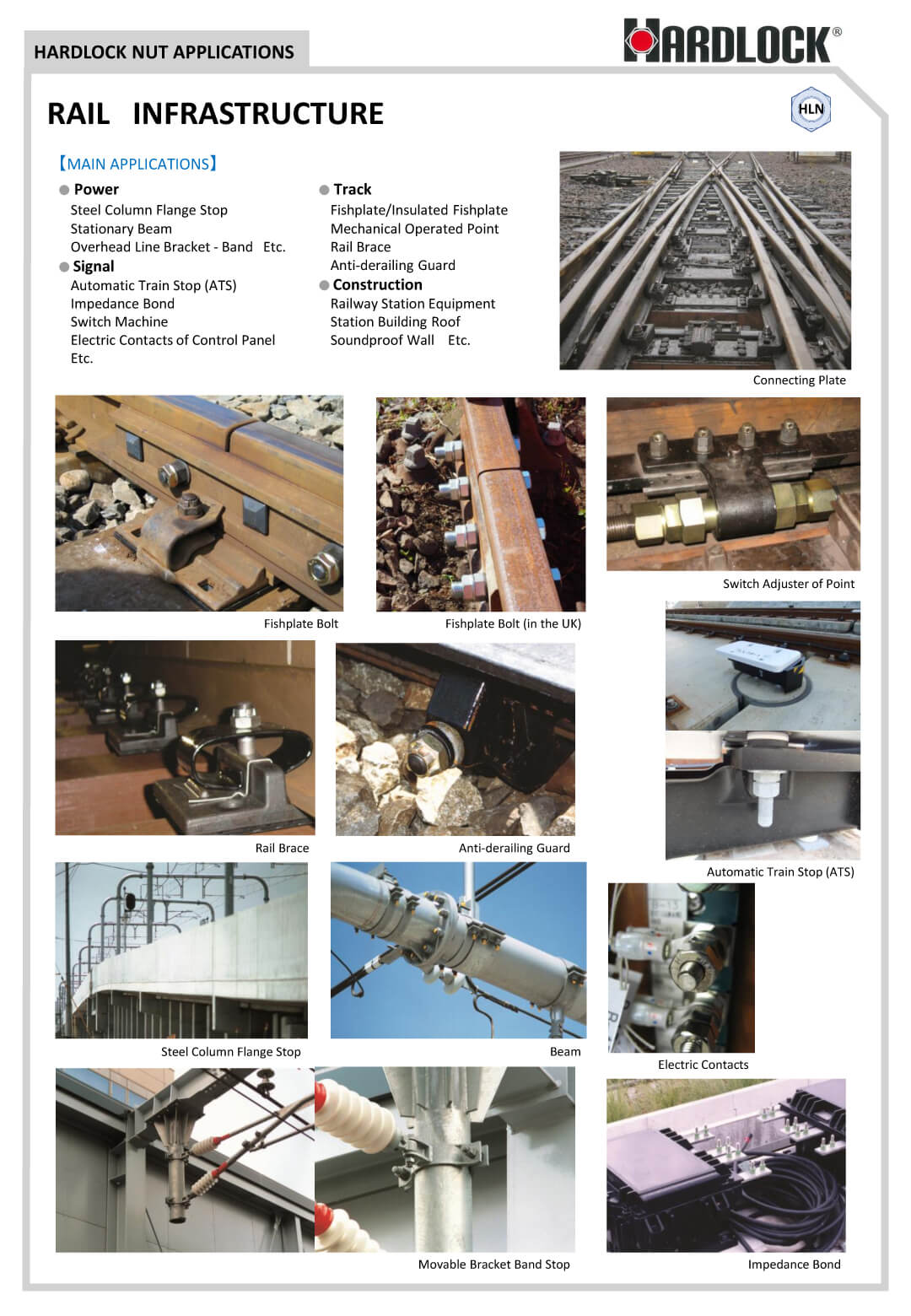
Rail infrastructure demands high-performance fastening to ensure safe, reliable operation under intense mechanical stress, electrical interference, and constant vibration. HARDLOCK Nuts (HLN) are extensively used across railway networks to secure everything from fishplates and signal systems to overhead lines and structural components. Their proven anti-loosening technology supports both operational safety and reduced maintenance cycles across diverse railway applications.
Key Rail Infrastructure Applications for HARDLOCK Nut (HLN):
- Steel Column Flange Stops
- Stationary Beams
- Overhead Line Brackets & Bands
- Additional Structural Power Components
- Automatic Train Stop (ATS) Units
- Impedance Bonds
- Switch Machines
- Electric Contacts in Control Panels
- Other Signal Infrastructure
- Fishplates / Insulated Fishplates
- Mechanically Operated Switch Points
- Rail Braces
- Anti-Derailing Guards
Rail Construction
- Station Equipment
- Station Building Roof Structures
- Soundproof Walls and Barriers
Additional Applications:
- Fishplate Bolts (including UK standard)
- Movable Bracket Band Stops
- Switch Adjusters
- ATS-related Connectors
From track integrity to signal control, HARDLOCK Nuts play a vital role in maintaining railway safety, minimizing loosening risks, and reducing the frequency of maintenance in rail infrastructure projects worldwide.